2026-03-30

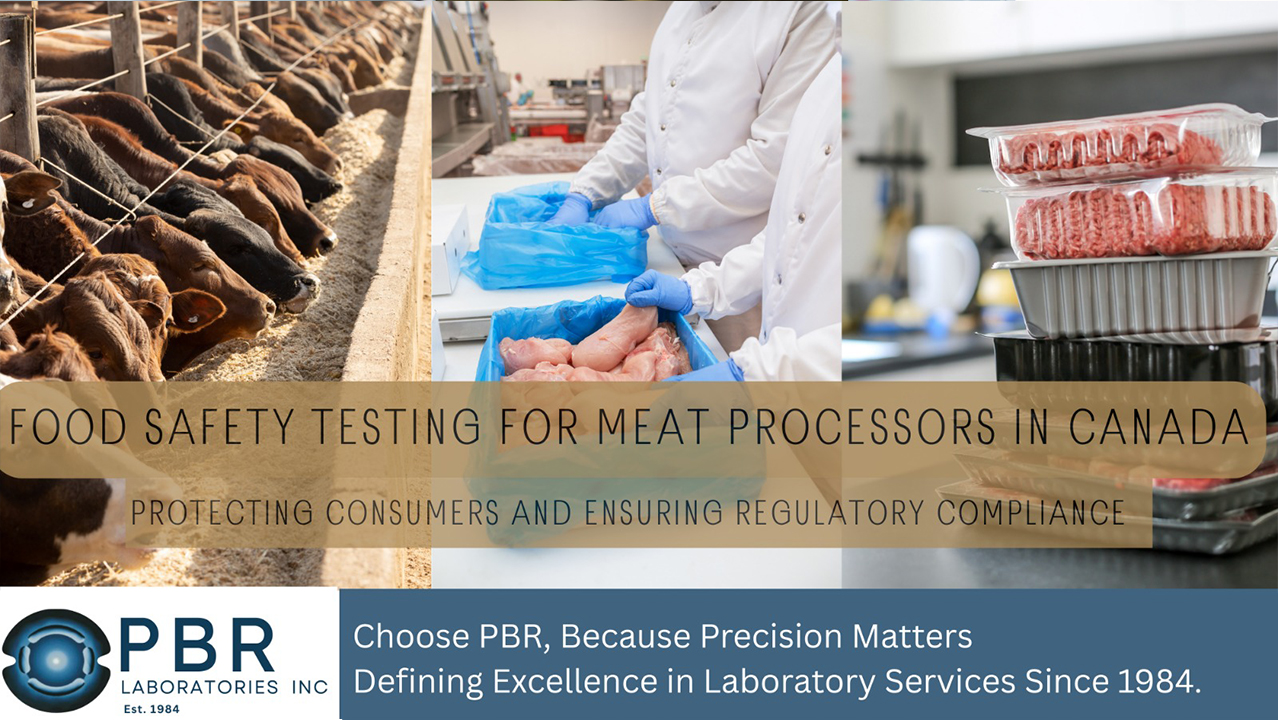
Food Safety Testing for Meat Processors in Canada

Food Safety Testing for Meat Processors in Canada

CFIA Compliance, Pathogen Detection, and Environmental Monitoring

Food safety testing is a critical requirement for meat processors in Canada to ensure products meet regulatory standards and protect public health. Routine microbiological testing allows facilities to detect pathogens, verify sanitation programs, and maintain compliance with Canadian Food Inspection Agency (CFIA) regulations.

For meat processors across Alberta, British Columbia, Saskatchewan, and throughout Canada, implementing structured testing programs is essential for maintaining safe production environments and preventing contamination risks.

Who Needs Food Safety Testing?

Food safety testing is required for a wide range of operations in the meat industry, including:

  • meat processing facilities
  • slaughterhouses
  • ready-to-eat meat producers
  • food manufacturers and distributors

These operations rely on routine laboratory testing to ensure product safety and meet regulatory requirements.

Why Food Safety Testing Is Essential

Raw meat products naturally contain microorganisms that can pose health risks if not properly controlled. Contamination can occur during slaughter, processing, packaging, or storage.

Routine testing programs help meat processors:

  • detect contamination early
  • verify sanitation and environmental monitoring programs
  • meet CFIA food safety requirements
  • prevent costly recalls
  • maintain product quality and shelf life

Food safety testing also supports Hazard Analysis and Critical Control Point (HACCP) systems and preventive control plans used across Canadian food processing facilities.

Major Pathogens in Meat Processing
E. coli O157:H7

E. coli O157:H7 is a key pathogen in beef processing and can cause serious illness. Routine testing helps detect contamination early and prevent distribution of unsafe products.

Salmonella

Salmonella is commonly associated with raw meat and poultry products. Testing programs help monitor contamination levels and reduce the risk of foodborne illness.

Listeria monocytogenes

Listeria is a significant concern in ready-to-eat meat products due to its ability to grow in refrigerated conditions. Environmental monitoring programs are essential for detecting Listeria in processing environments.

Environmental Monitoring Programs for Meat Plants

Environmental monitoring is a critical component of food safety systems in meat processing facilities. Swab samples are collected from processing environments to detect potential contamination sources.

Common sampling locations include:

  • food contact surfaces
  • cutting and processing equipment
  • conveyor systems
  • drains and floors
  • refrigeration units
  • packaging areas

Routine environmental testing helps identify contamination risks and verify the effectiveness of sanitation programs.

Indicator Organism Testing

Indicator organisms are used to assess the overall hygiene and sanitation performance of a facility.

Common indicators include:

  • Total Plate Count (TPC)
  • coliform bacteria
  • Enterobacteriaceae

While these organisms may not always cause illness, they provide valuable insight into sanitation effectiveness and process control.

Shelf Life Testing for Meat Products

Shelf life testing helps determine how long meat products remain safe and maintain quality under typical storage conditions.

Laboratory testing evaluates microbial growth and product stability over time, helping processors:

  • establish accurate use-by dates
  • ensure food safety during distribution
  • reduce spoilage and product waste

Shelf life validation is especially important for ready-to-eat and processed meat products.

CFIA Food Safety Requirements for Meat Processors

Meat processors in Canada must comply with strict food safety regulations administered by the Canadian Food Inspection Agency (CFIA).

Facilities are required to implement preventive control plans and maintain testing programs that verify food safety performance.

Laboratory testing supports compliance by:

  • verifying pathogen control measures
  • validating sanitation procedures
  • documenting food safety performance
  • supporting HACCP verification

Working with an ISO-accredited laboratory ensures testing results meet regulatory standards.

The Role of Independent Food Testing Laboratories

Independent laboratories provide specialized analytical services that support food safety programs across the meat industry.

Typical services include:

  • pathogen testing (Listeria, Salmonella, E. coli)
  • environmental swab testing
  • indicator organism analysis
  • shelf life studies
  • regulatory compliance testing

Accredited laboratories use validated methods to deliver accurate and reliable results.

Strengthening Food Safety Through Routine Testing

Food safety testing plays a central role in protecting consumers and maintaining product integrity in the meat industry.

By implementing comprehensive microbiological testing programs, meat processors can detect hazards early, verify sanitation effectiveness, and maintain compliance with regulatory requirements.

Routine laboratory testing helps ensure safe, high-quality products while supporting industry trust and regulatory performance across Canada.

FAQ – Food Safety Testing for Meat Processors
What testing is required for meat processors in Canada?

Meat processors typically conduct microbiological testing for pathogens such as Listeria, Salmonella, and E. coli, along with environmental monitoring and indicator organism testing.

How often should meat plants test for pathogens?

Testing frequency depends on product type and risk level, but many facilities conduct routine environmental and product testing on a weekly or daily basis.

What is environmental monitoring in meat processing?

Environmental monitoring involves collecting swab samples from processing environments to detect pathogens that may contaminate food products.
Recent Post
img

Food Safety Testing for Meat Processors in Canada

2026-03-30
img

Water Testing for Food Processing Facilities in Canada

2026-03-28
img

What’s New in Canada’s Food Industry?

2026-03-09
img

Understanding USP <51> Antimicrobial Effectiveness Testing: Ensuring Product Safety & Compliance

2025-12-15
img

E. coli O157 and STEC Testing in Alberta: Fast, CFIA-Compliant Lab Services You Can Trust

2025-10-21
img

Microbiological Testing for Dietary Supplements in Western Canada

2025-07-11
img

Understanding Shiga Toxin-Producing E. coli (STEC)

2025-02-26
img

Legionella Testing and Risk Management: Ensuring Water Safety and Compliance

2025-02-13
img

USP 61/62 & USP 2021/2022: Essential Microbial Testing for Pharmaceuticals, Cosmetics, Food, and Supplements

2025-01-30
img

Ensure the Safety and Compliance of Your Ready-to-Eat (RTE) Foods with PBR Laboratories

2025-01-23
img

Mastering Shelf-Life Testing

2025-01-21
img

Updates to PBR Laboratories’ Testing Services

2025-01-15
img

Food Import Testing in Canada: Partnering with PBR Laboratories to Ensure Safety and Compliance

2025-01-14
img

Introducing New Tools to Enhance Your Experience with PBR Laboratories

2024-11-06
img

The Science Behind Shelf-Life Testing

2024-11-05
img

Environmental Monitoring Plans for GMP Facilities – How We Can Help!

2024-10-18
img

Mastering Shelf Life Testing for Your Product's Success

2024-10-18
img

Ensuring Compliance and Safety: The Need for Comprehensive Water Testing

2024-09-16
img

Ensuring Culinary Excellence in with PBR Laboratories Comprehensive Food Services

2024-09-16
img

Nutritional Labelling and Shelf Life Testing Services

2024-09-16
img

#MerryChristmas #HappyHolidays #Innovation #Excellence #PBR

2024-09-16
img

PBR Laboratories Inc. - Your One-Stop Solution for Analytical Excellence

2024-09-16
img

Preservative Challenge Testing: Ensuring Product Integrity with PBR Labs

2024-09-17
img

PBR Laboratories: Expert On-Site Sampling Services for Air, Water, and Soil Analysis

2024-09-17
img

PBR Laboratories: 4.5-Star Client Satisfaction Achievement

2024-09-17
img

Combatting MIC in Industrial Systems

2024-09-17
img

Water Quality Testing by PBR Laboratories

2024-09-17
img

Expert Environmental Testing Services - PBR Laboratories

2024-09-17
img

E.coli O157:H7 Detection: Adhering to Health Canadas Standards for Food Safety

2024-09-17
img

Leading Food Safety Since 1984

2024-09-17

img

Water Testing Services

2024-09-17
img

What Does Rigorous Food Safety Testing Mean for Your Brand?

2024-09-17
img

Are Your Food Products Truly Safe? Understanding Beyond Microbial Testing

2024-09-17
img

Seasonal Water Testing Services by PBR Laboratories: Ensuring Safety and Compliance Year-Round

2024-09-17
img

Understanding Water Testing Methods – Colilert, MPN, and MF

2024-09-17
img

Understanding Microbial Induced Corrosion (MIC)

2024-09-17
img

Behind the Scenes of Quality Management in PBR Laboratories

2024-09-17
img

PBR Laboratories Weekly Newsletter: Blue-Green Algae, Cyanobacteria, and Microcystins

2024-09-17
img

Why Product Efficacy and Sterility Matter More Than Ever

2024-09-17
img

Optimize Your Agricultural and Livestock Operations with PBR Laboratories Expert Testing Services

2024-09-17
img

Essential Guide to Well Water Testing for Safe Drinking Water

2024-09-17
img

Listeria Recalls Across North America & Europe: The Importance of Quality Testing

2024-09-17
img

The Gold Standard in Food Safety Testing Since 1984

2024-09-17
img

Fall Feedstock Testing: Preparing Your Livestock for the Winter

2024-09-17

img

Why PCR is the Preferred Technology for Food Safety and Environmental Pathogen Testing Over VIDAR

2024-09-17