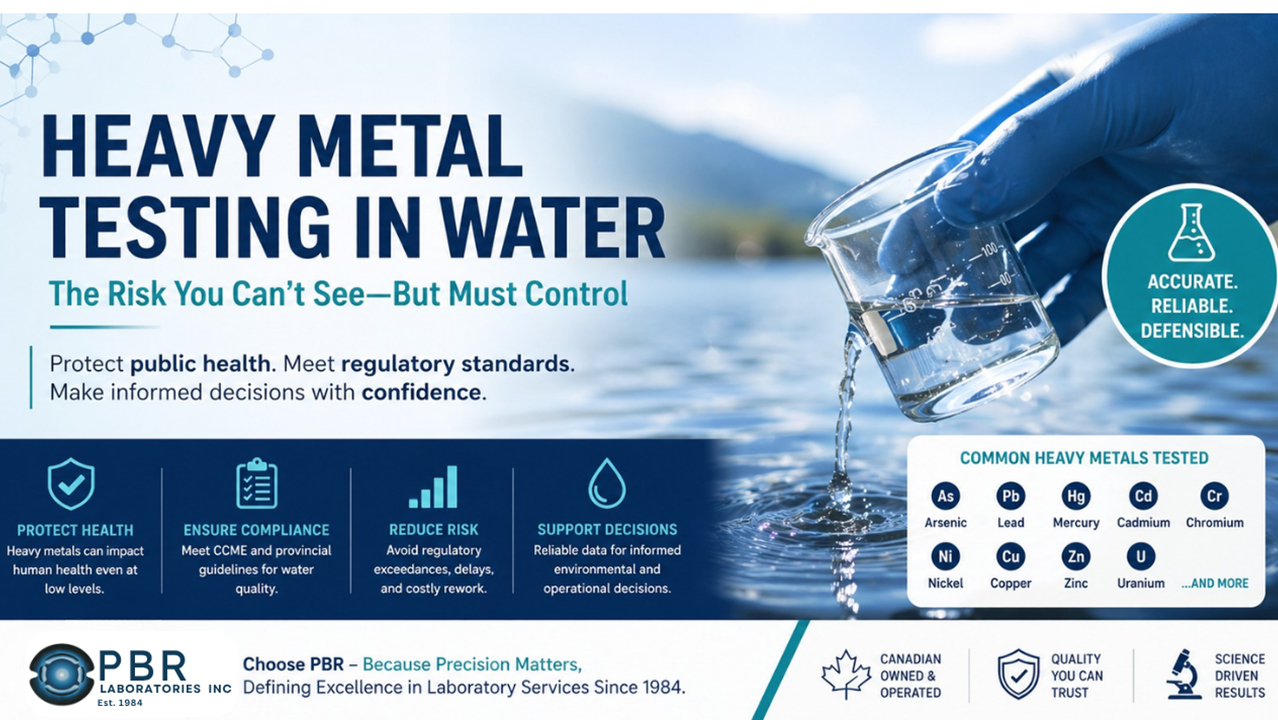
Heavy Metal Testing in Water: What You Need to Know for Compliance in Alberta
2026-04-27

Phone No.
(780) 450-3957
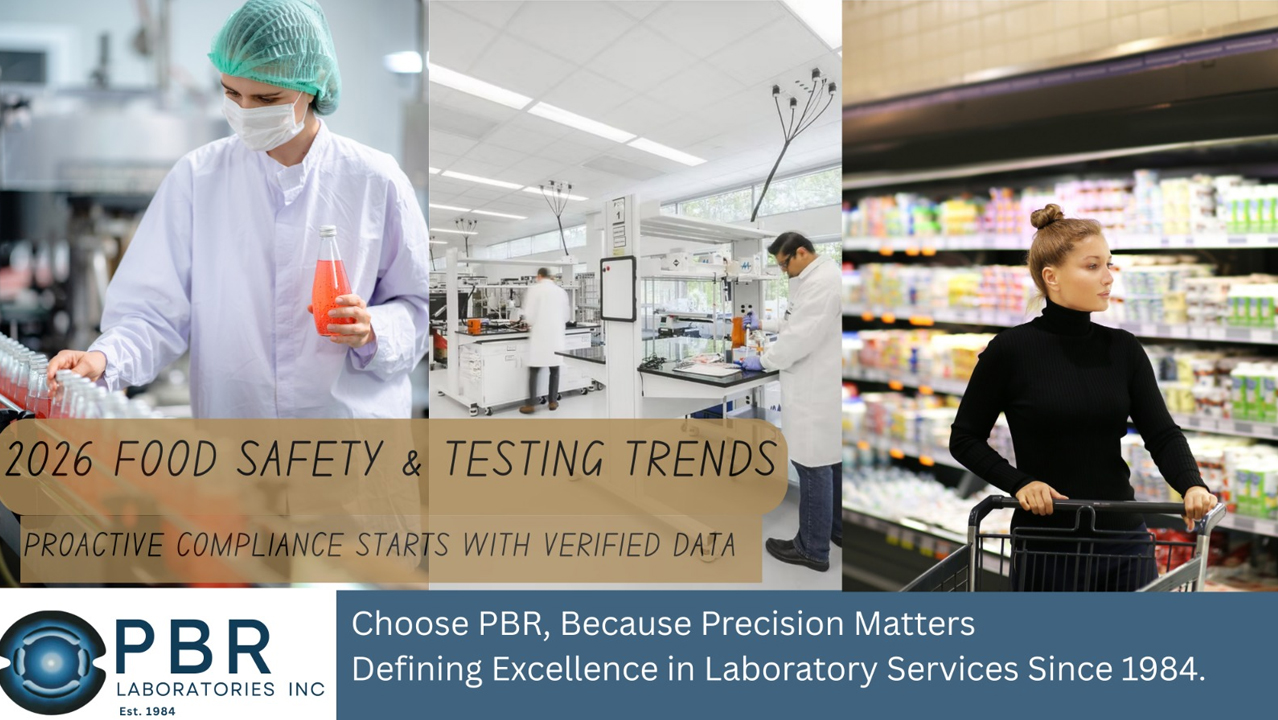
2026 Testing, Compliance & Food Safety Trends Every Manufacturer Should Know
Canada’s food industry continues to evolve under increasing regulatory scrutiny, climate-related supply chain pressures, and rising consumer expectations for transparency. In 2026, laboratory testing is no longer just a regulatory requirement — it is a strategic tool for risk management, brand protection, and market competitiveness.
From nutritional label verification to mycotoxin screening and environmental monitoring, here are the most important trends shaping food, feed, and pet food testing programs across Canada.
Under the Safe Food for Canadians Regulations (SFCR), Health Canada and CFIA are placing increased emphasis on:
Many companies are now proactively verifying their nutritional panels using laboratory-based wet chemistry instead of relying solely on formulation calculations.
Incorrect nutritional labeling can lead to:
Routine verification reduces compliance risk and ensures claims are defensible.
PBR Laboratories provides:
Accurate data protects both your regulatory standing and your brand credibility.
Climate variability — including wet harvest seasons and fluctuating storage conditions — continues to increase the risk of:
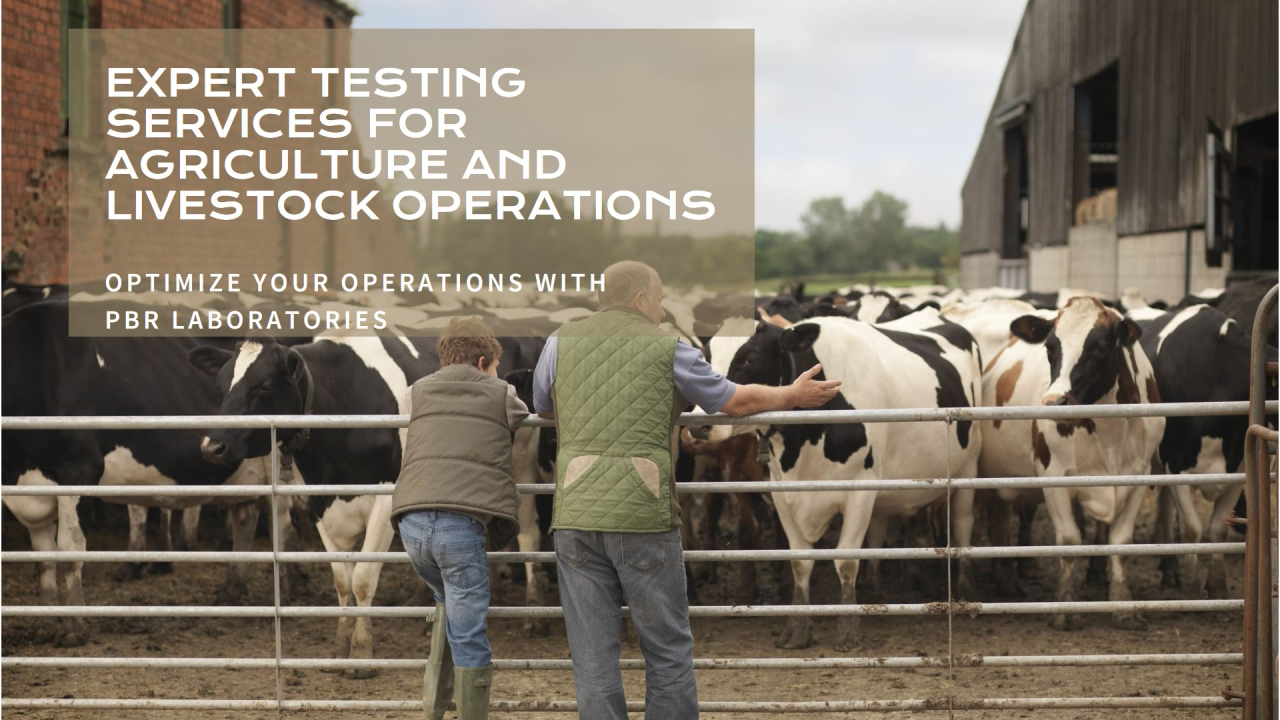
Grain handlers, feed mills, livestock producers, and pet food manufacturers are strengthening preventative testing programs to reduce contamination risk before products enter the supply chain.
Mycotoxins can lead to:
Routine screening ensures early detection and supply chain confidence.
Preventative testing is no longer reactive — it is part of modern quality assurance programs.
Canada’s premium pet food market continues to expand, particularly in:
With growth comes increased scrutiny from regulators and retailers.
Retailers are increasingly requiring documented laboratory validation before approving products.
Food processors and agricultural operations are increasingly audited for environmental compliance, including:
Water quality is directly tied to food safety, facility audits, and operational integrity.
Across food manufacturing, feed production, pet food processing, and agriculture, one trend is clear:
Companies are moving from reactive testing to preventative compliance programs.
Rather than testing only after issues arise, organizations are implementing:
This proactive approach reduces recalls, strengthens audit performance, and builds consumer confidence.
Regulatory expectations continue to evolve. Consumer transparency is increasing. Supply chain risks remain unpredictable.
Now is the time to review your analytical testing program and ensure it aligns with current industry pressures.
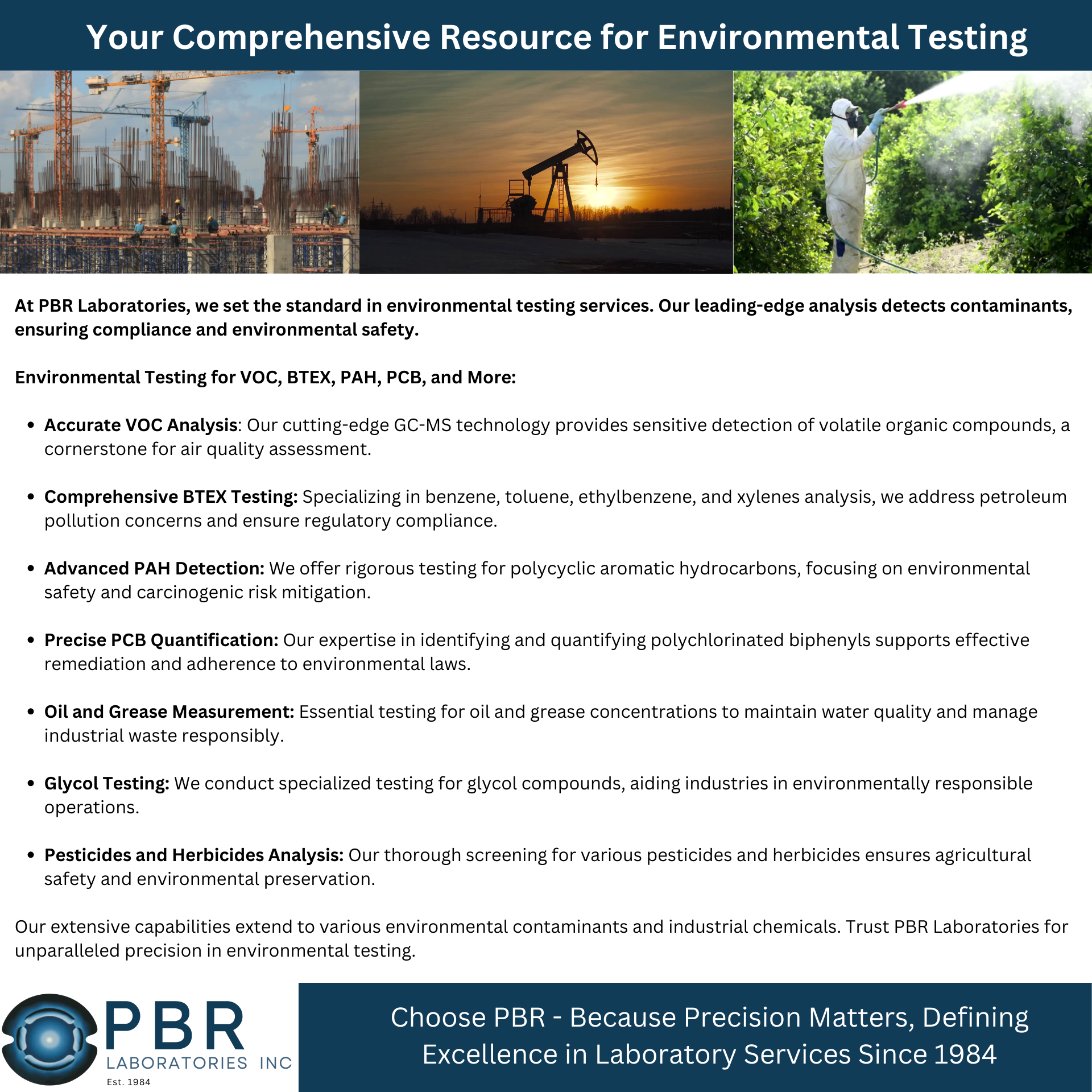
PBR Laboratories provides comprehensive services in:
Choose PBR – Because Precision Matters, Defining Excellence in Laboratory Services Since 1984.
To discuss your testing requirements or build a customized compliance program, contact our team:
What’s New in Canada’s Food Industry?
2026-03-09
The Science Behind Shelf-Life Testing
2024-11-05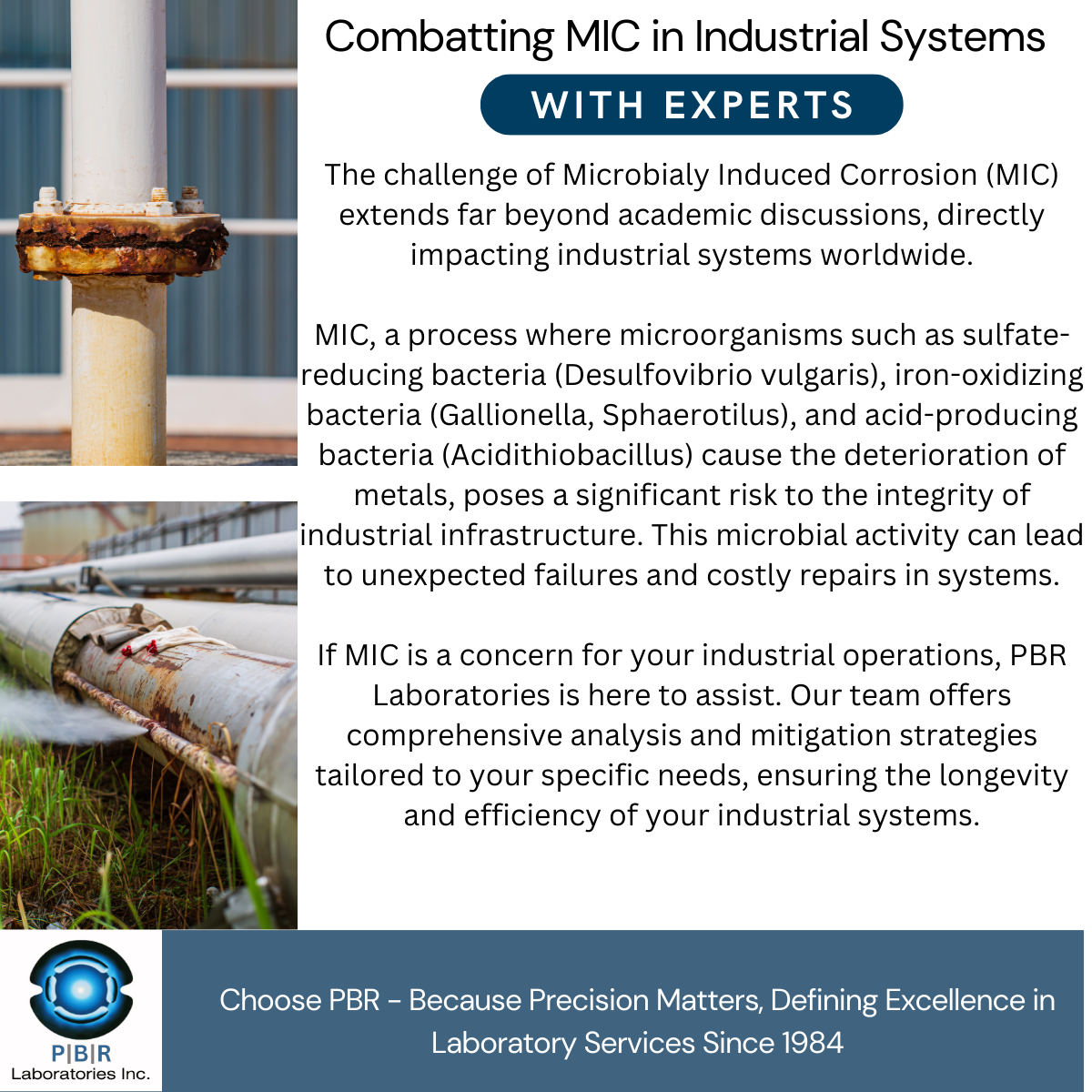
Combatting MIC in Industrial Systems
2024-09-17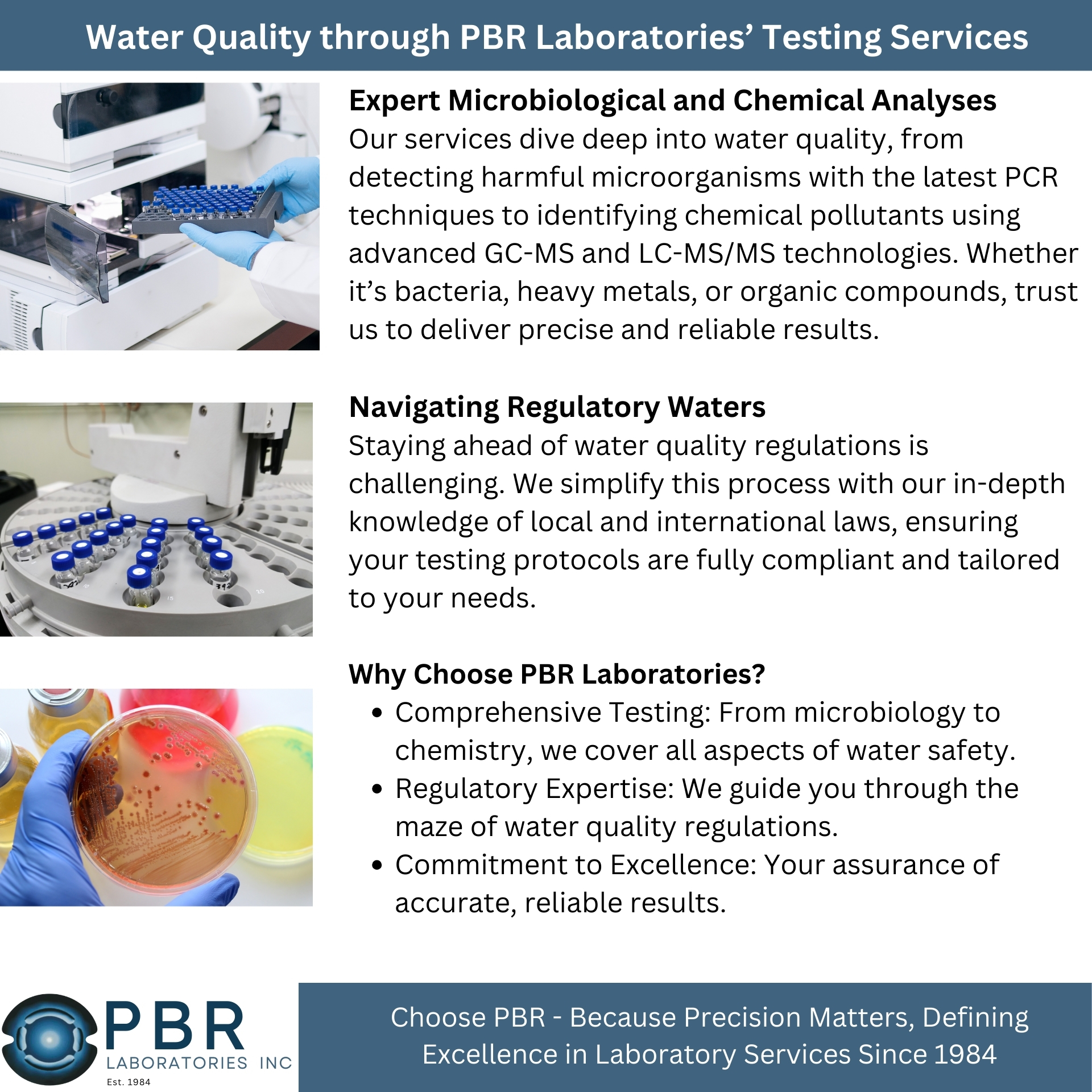
Water Quality Testing by PBR Laboratories
2024-09-17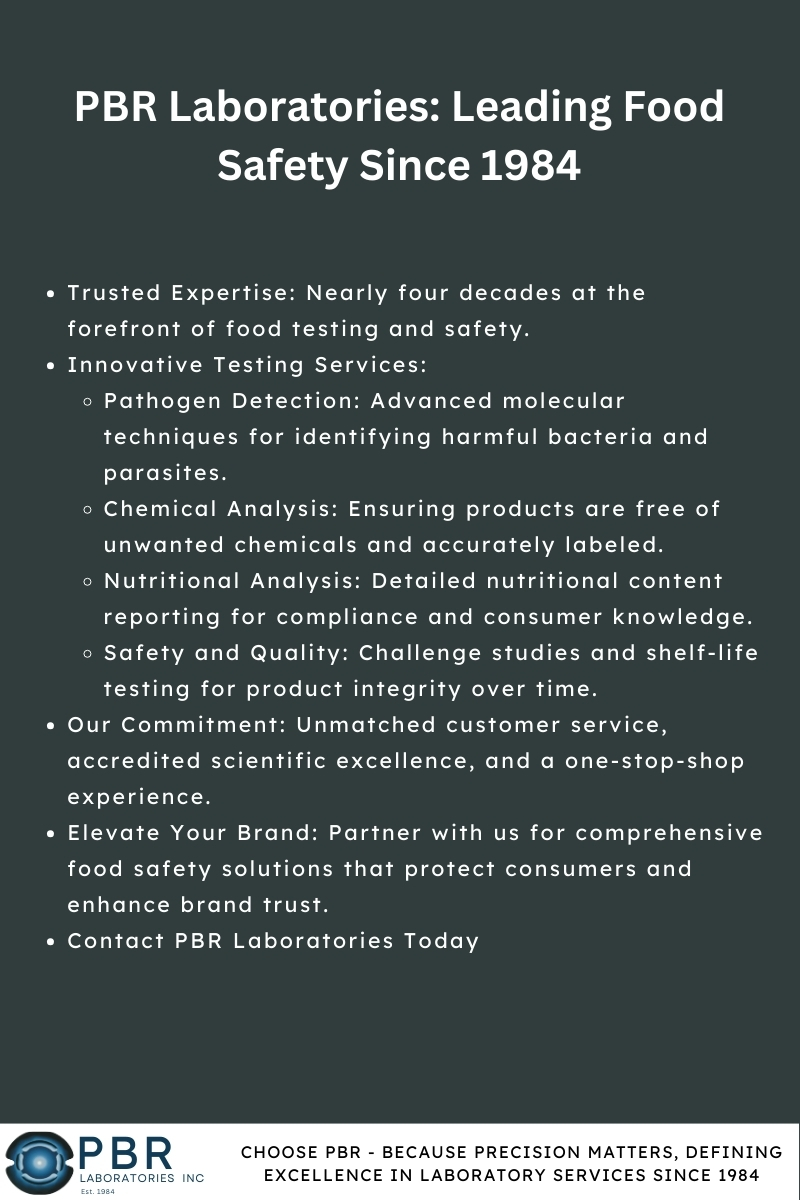
Leading Food Safety Since 1984
2024-09-17