

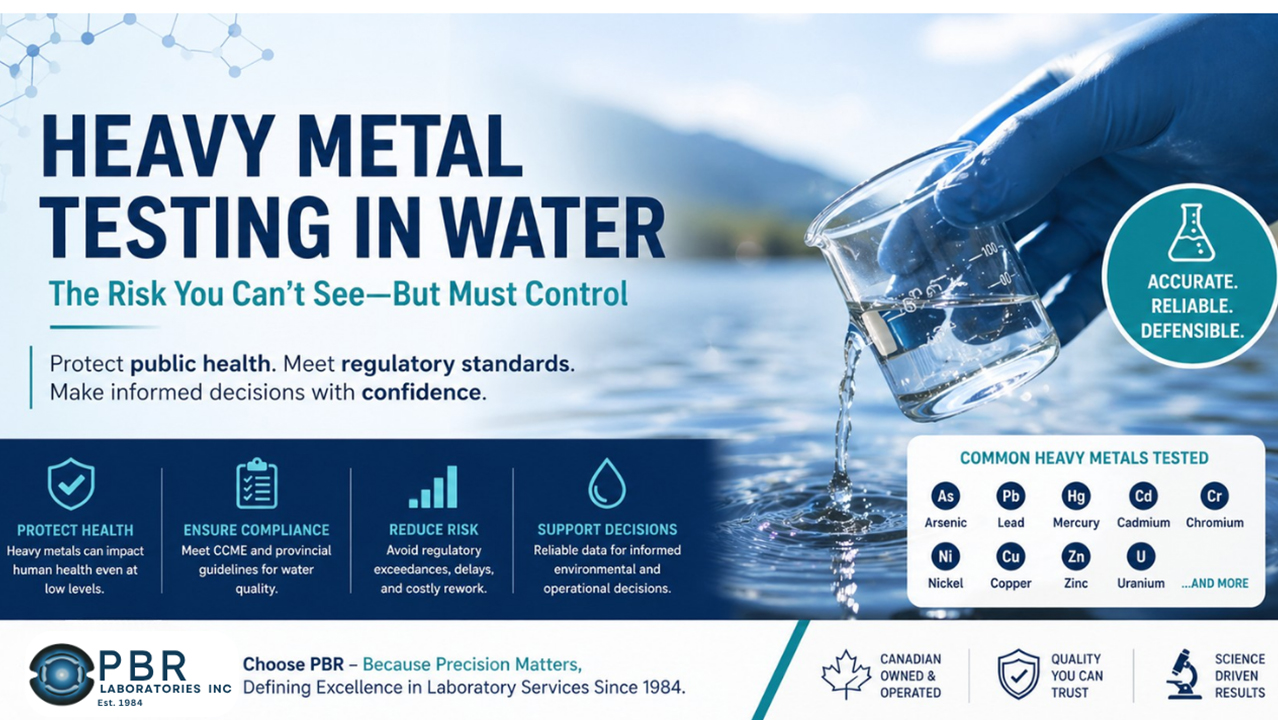
Heavy Metal Testing in Water: What You Need to Know for Compliance in Alberta
2026-04-27
2025-07-11
Understanding USP <61>, <62>, <2021>, and <2022>: Microbiological Testing for Dietary Supplements in Western Canada
Introduction
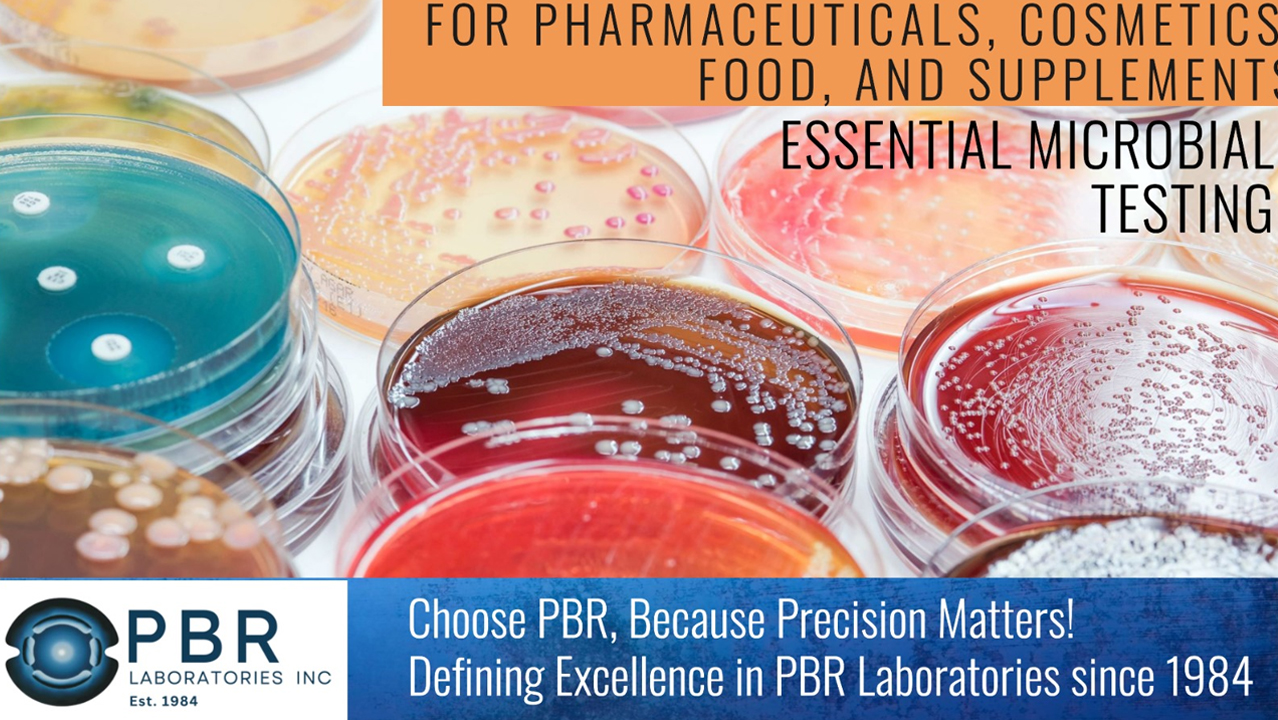
As the popularity of dietary supplements continues to rise across Western Canada, ensuring product safety has never been more crucial. One of the most important aspects of supplement quality control is microbiological testing—specifically in alignment with USP <61>, <62>, <2021>, and <2022> standards.
For manufacturers and quality teams in Alberta, British Columbia, Saskatchewan, and Manitoba, understanding these guidelines is a key step toward regulatory compliance and consumer safety.
What Are USP <61>, <62>, <2021>, and <2022>?
USP <61> — Microbial Enumeration Tests
This standard outlines how to measure total aerobic microbial counts (TAMC) and total combined yeast and mold counts (TYMC) in non-sterile products.
USP <62> — Tests for Specified Microorganisms
Designed to detect pathogens such as:
- E. coli.
- Salmonella spp..
- Staphylococcus aureus.
- Pseudomonas aeruginosa.
- Candida albicans.
These organisms are objectionable and must be absent from dietary supplements.
USP <2021> and <2022>
These chapters adapt <61> and <62> for dietary supplements, which often contain complex natural ingredients that can influence microbial content and testing conditions.
Why These Standards Matter in Supplement Testing
Adhering to these USP guidelines ensures that your products:
- Are free of harmful microorganisms.
- Meet Health Canada and FDA safety benchmarks.
- Maintain batch consistency.
- Support safe shelf life and consumer use.
For companies exporting supplements or marketing across Canada, testing based on these USP standards is often mandatory.
Considerations for Western Canadian Producers
Operating in Western Canada brings regional challenges such as:
- Seasonal ingredient variability.
- Diverse manufacturing conditions.
- Increased demand for traceability and transparency.
Integrating microbiological testing early in your production process reduces the risk of product recalls and protects your brand reputation.
How to Implement USP-Compliant Testing
To get started:
- Know your product — its ingredients, format, and intended use.
- Determine applicable USP chapters based on formulation and distribution plans.
- Choose an ISO-accredited lab familiar with dietary supplements and USP standards.
Need Support?
At PBR Laboratories Inc., we specialize in microbiological testing for dietary supplements using USP <61>, <62>, <2021>, and <2022> protocols. Based in Edmonton, Alberta, we support manufacturers across Western Canada with reliable, ISO-accredited testing solutions.
Whether you're launching a new product or validating your process, we're here to help.
Schedule Your Testing Today!
Email: pbr@pbr.ca
Phone: 1-780-450-3957
Visit: www.pbr.ca to learn more about our supplement testing services.
Disclaimer: This content is for educational purposes only and does not substitute regulatory or legal advice.
Find our laboratory testing guides helpful? Choose PBR as a preferred source on Google.
Add PBR as a Preferred Source on GoogleRecent Post
What’s New in Canada’s Food Industry?
2026-03-09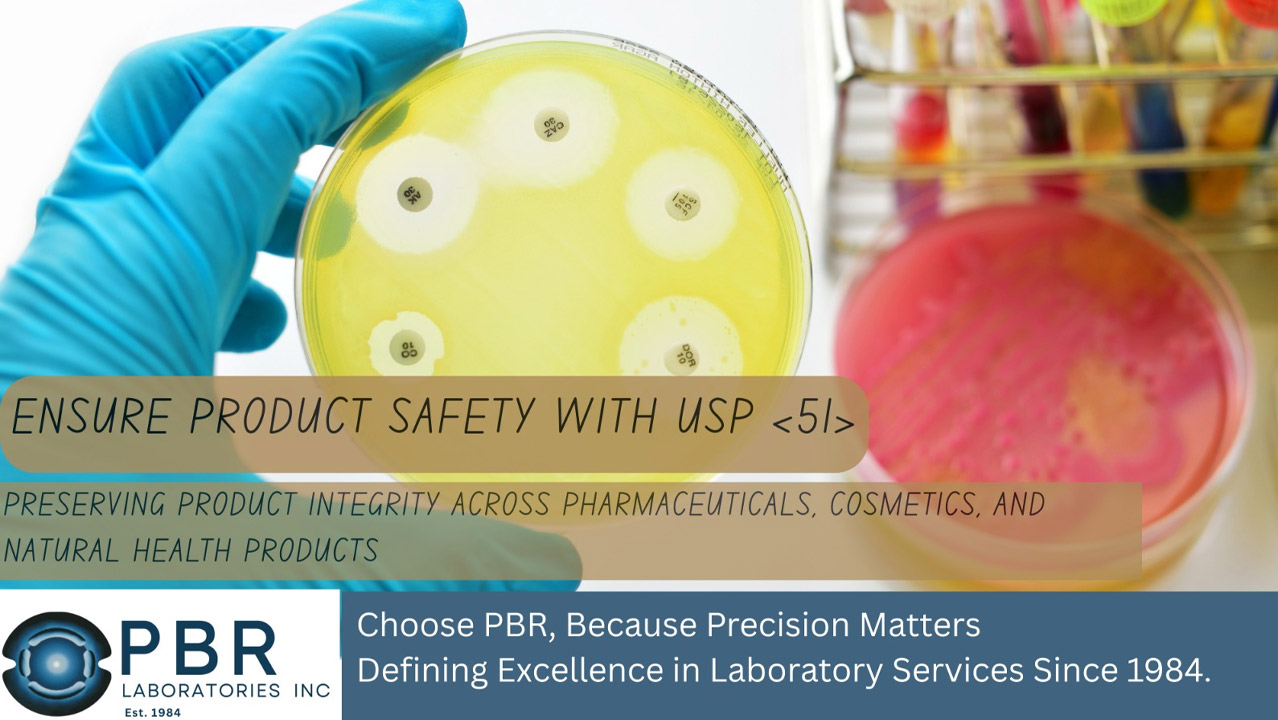
2025-01-21

The Science Behind Shelf-Life Testing
2024-11-05
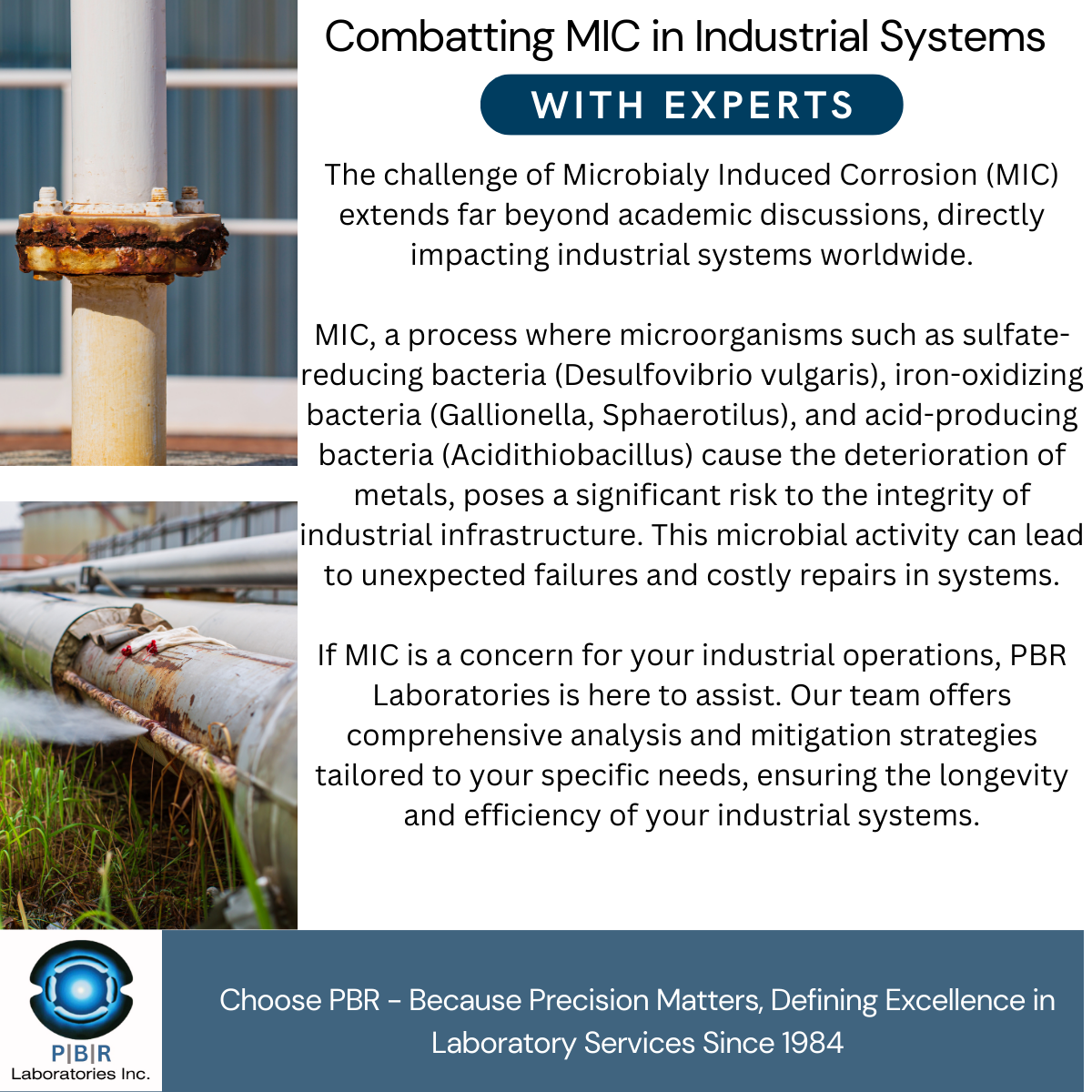
Combatting MIC in Industrial Systems
2024-09-17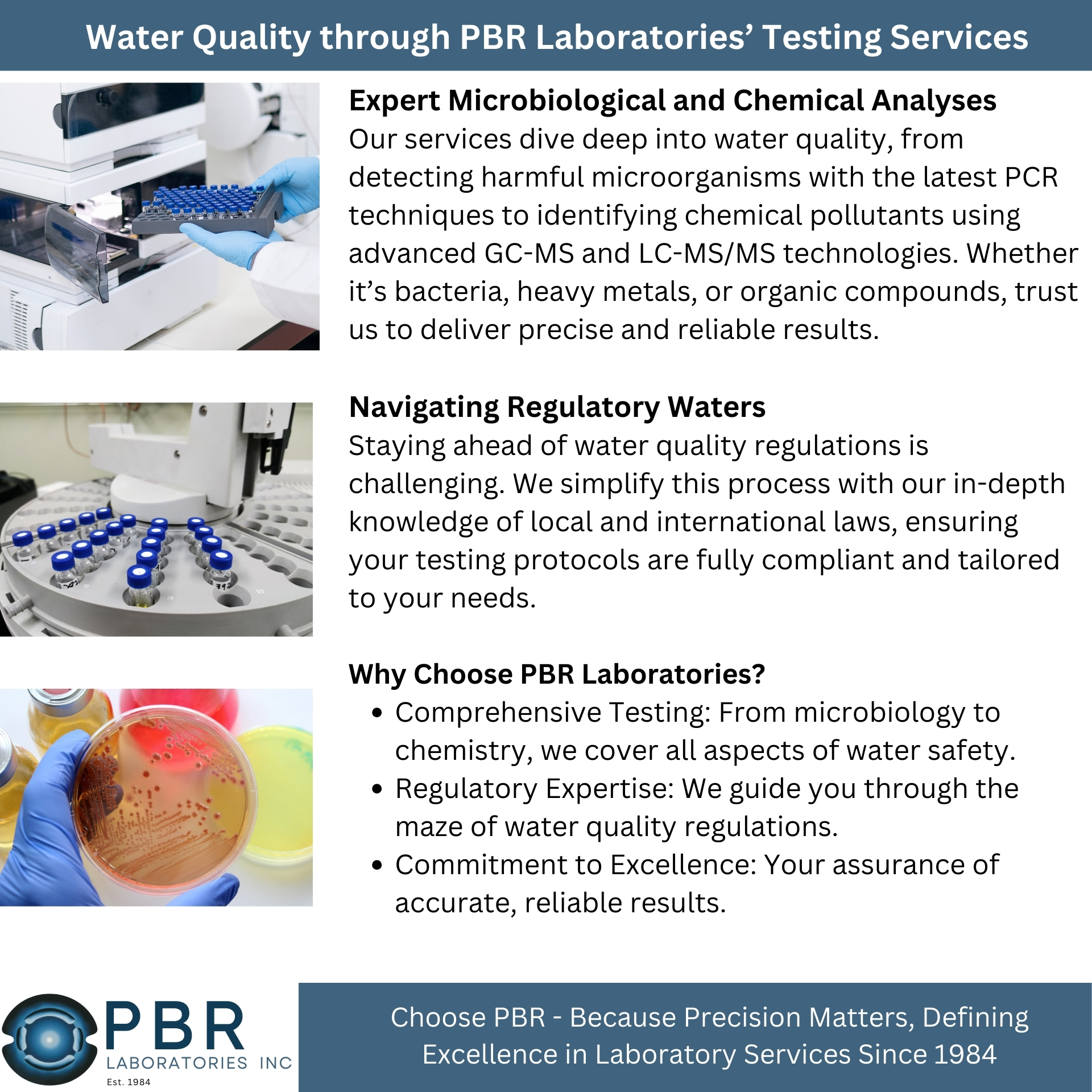
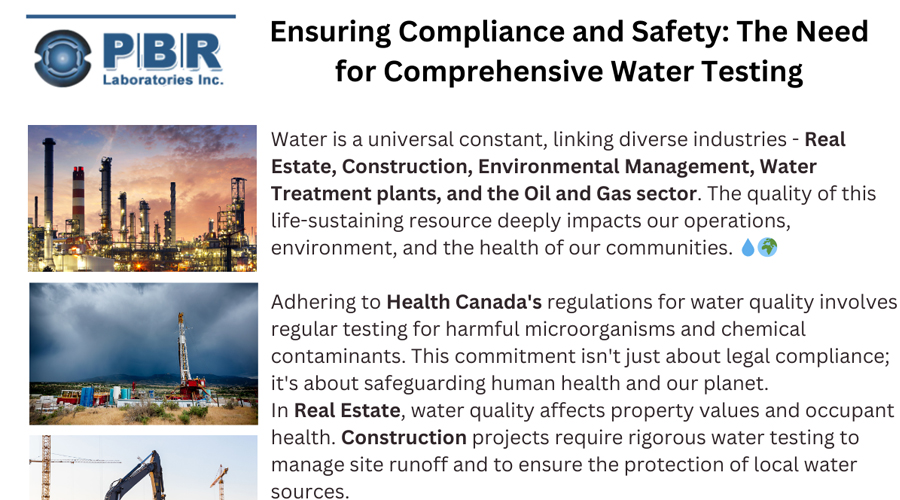
Water Quality Testing by PBR Laboratories
2024-09-17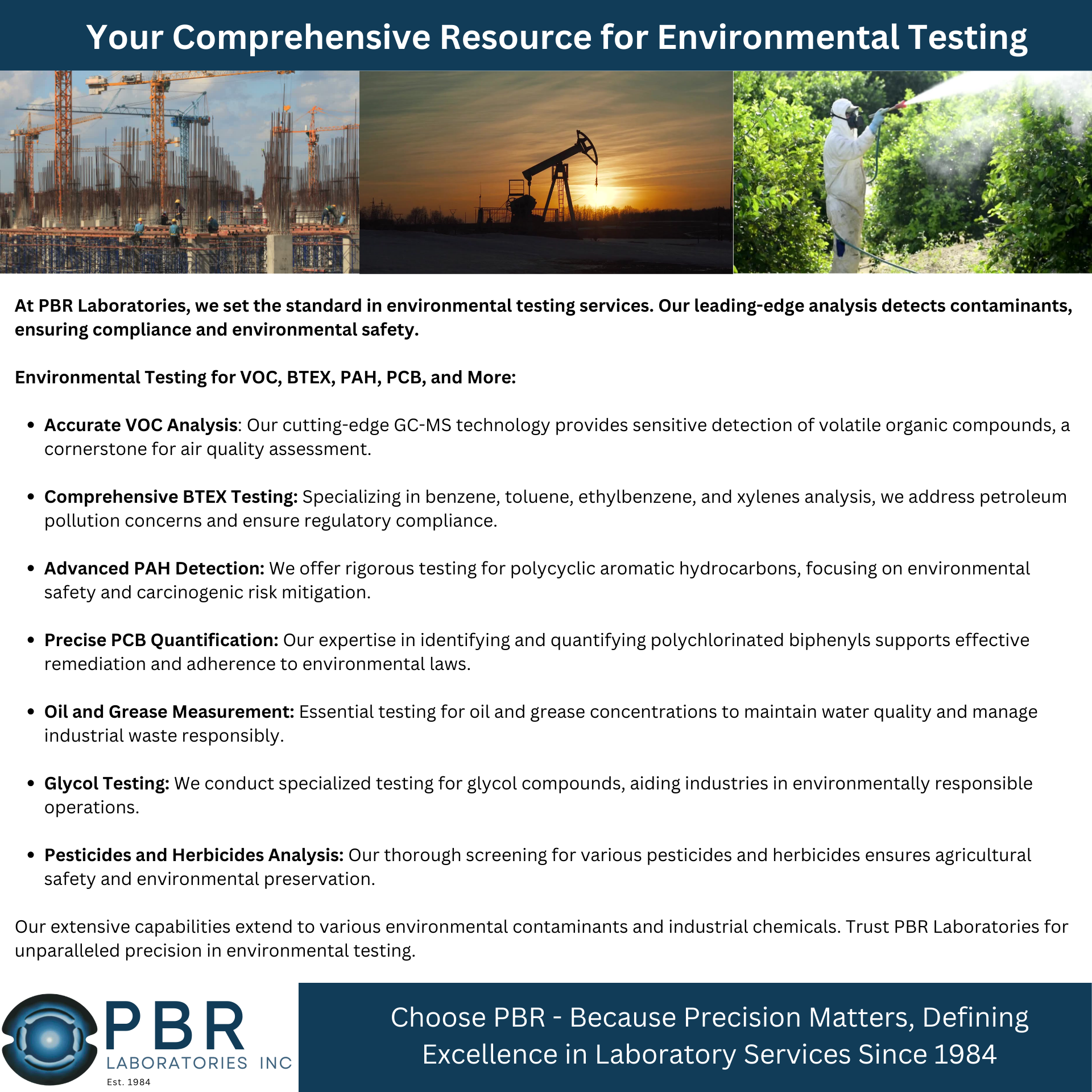
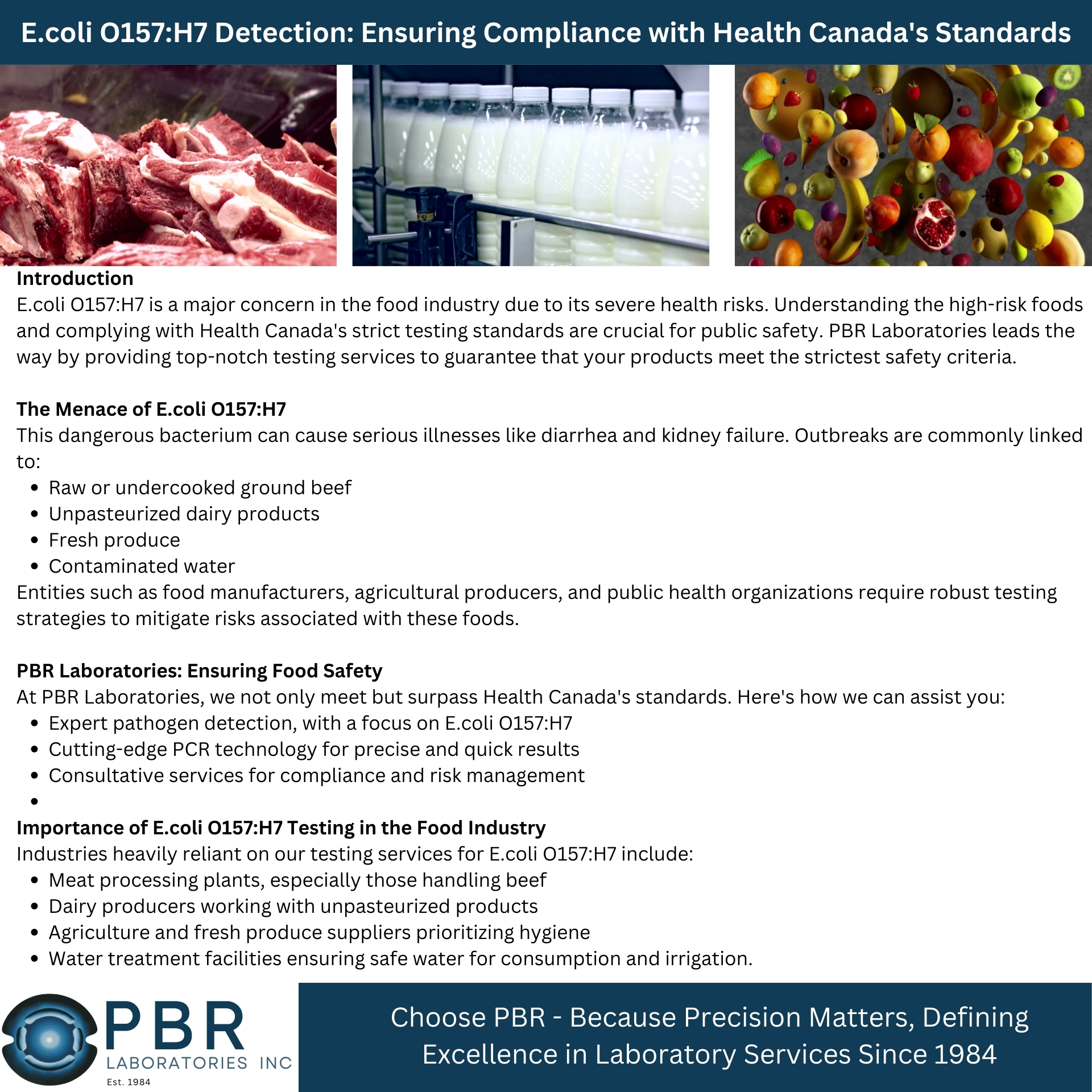
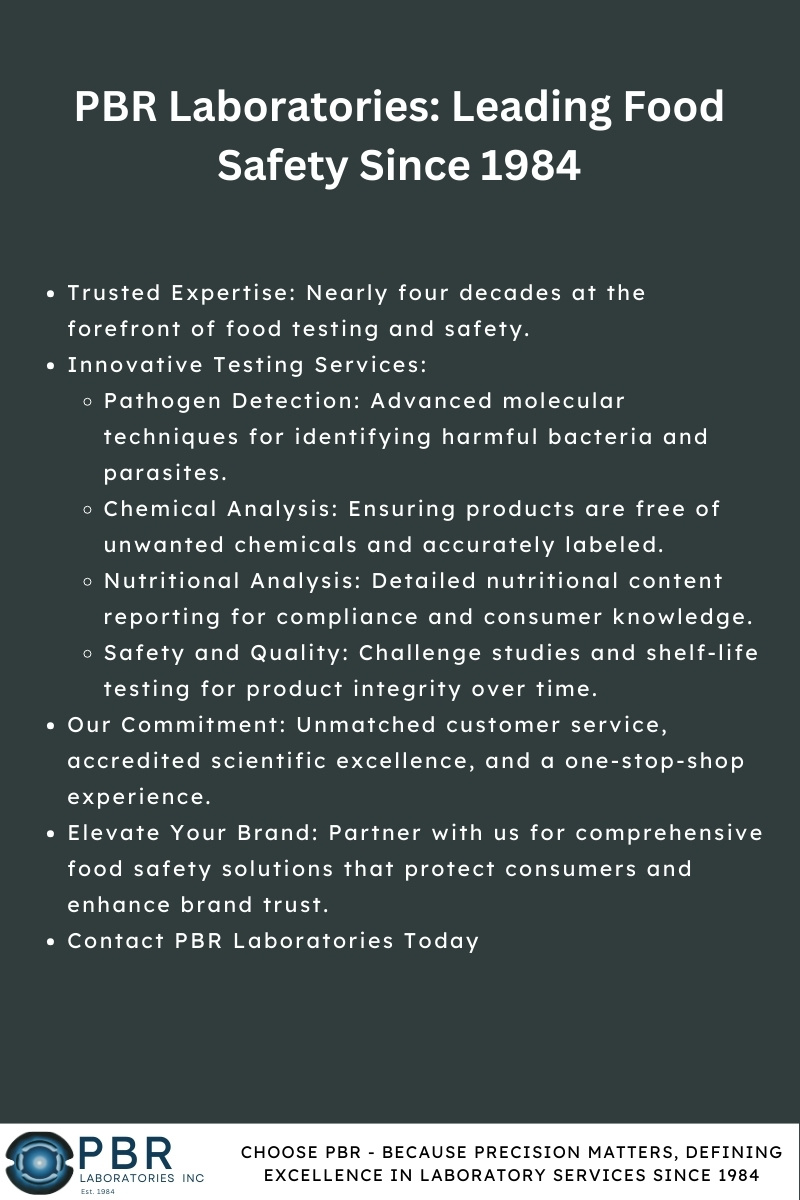
Leading Food Safety Since 1984
2024-09-17
2024-09-17