

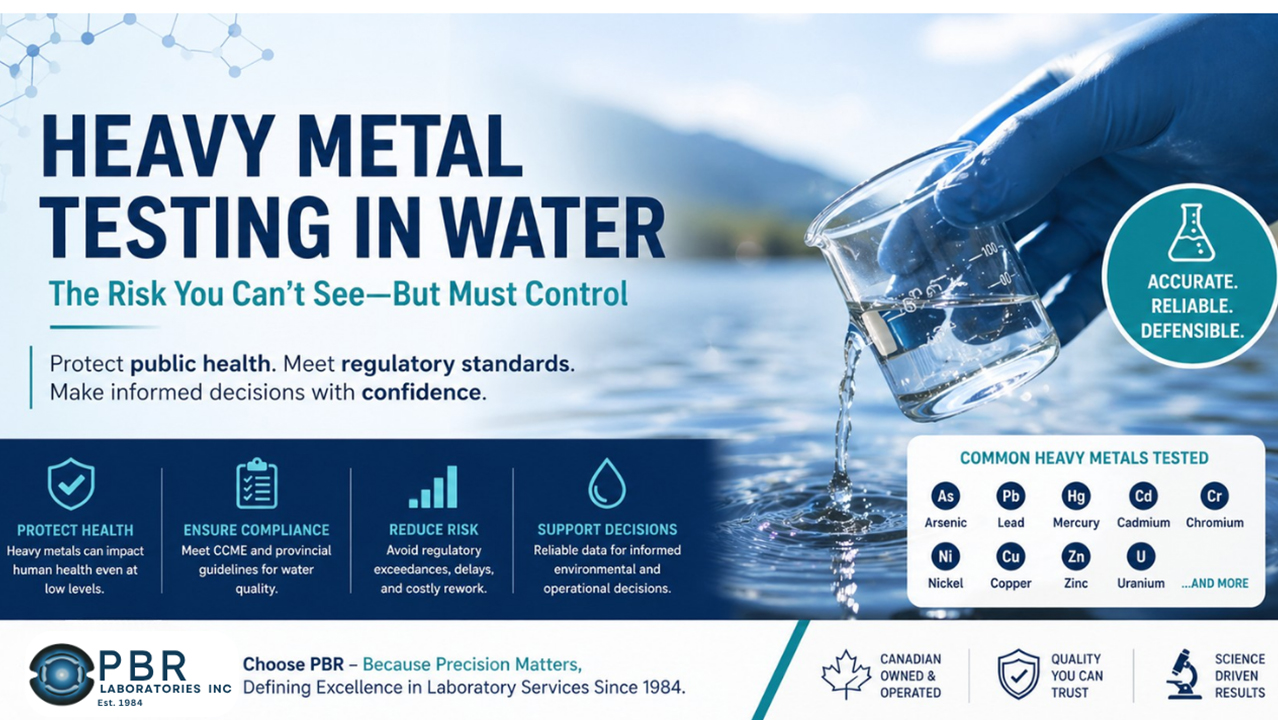
Heavy Metal Testing in Water: What You Need to Know for Compliance in Alberta
2026-04-27
2026-04-13
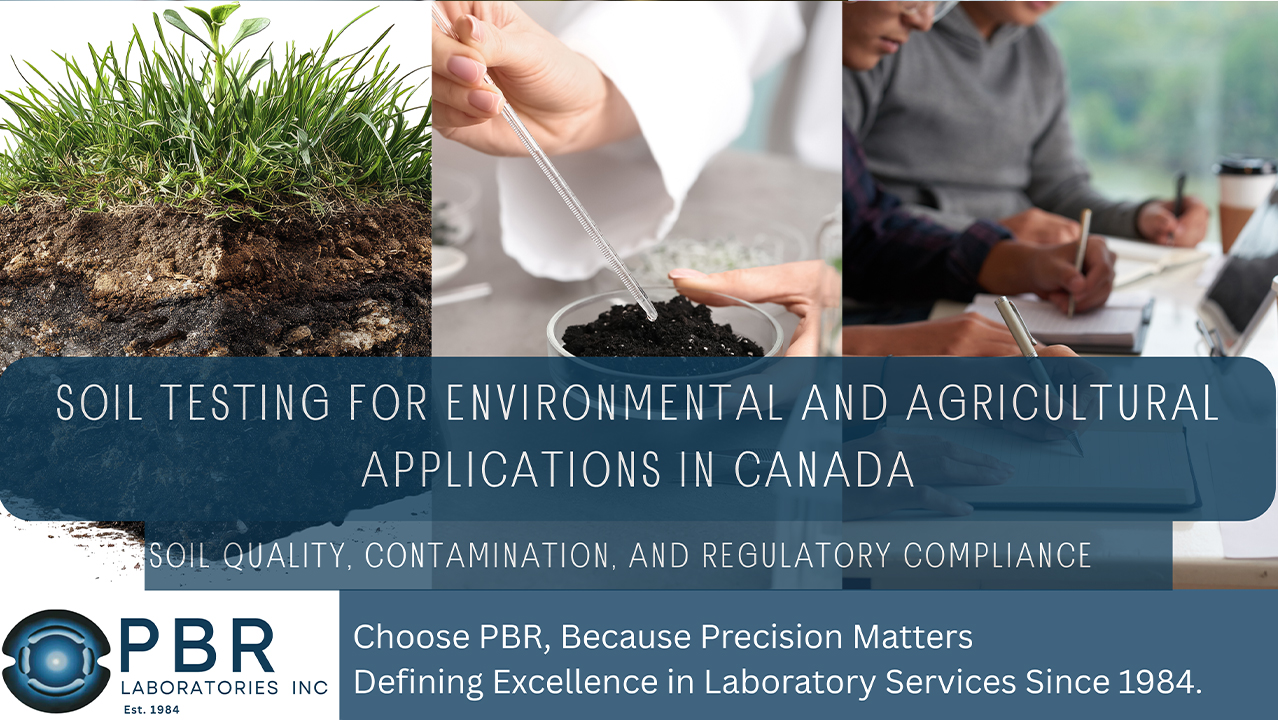
Soil Testing for Environmental and Agricultural Applications in Canada
Soil Quality, Contamination, and Regulatory Compliance
Soil testing is an essential process for assessing environmental quality and agricultural productivity across Canada. From detecting contamination to optimizing crop performance, laboratory analysis provides critical data for informed decision-making.
For organizations across Alberta and Canada, routine soil testing supports environmental compliance, land management, and sustainable agricultural practices.
Who Needs Soil Testing?
Soil testing is important for a wide range of groups, including:
- Agricultural producers
- Environmental consultants.
- Construction and land developers.
- Industrial operations.
- Government and regulatory bodies.
These groups rely on accurate soil data to manage risk and ensure compliance.
Why Soil Testing Is Important
Soil can accumulate contaminants through industrial activity, agricultural inputs, and environmental exposure. Without testing, these risks can remain undetected.
Routine soil testing helps:
- Detect heavy metals and chemical contamination.
- Assess nutrient availability.
- Support environmental monitoring.
- Ensure compliance with regulations.
- Guide land use decisions.
Environmental Soil Testing
Environmental testing focuses on identifying contamination and ensuring soil meets regulatory standards.
Common applications include:
- Site assessments and remediation.
- Environmental monitoring programs.
- Waste management.
- Land development projects.
Agricultural Soil Testing
Agricultural testing focuses on optimizing soil for crop production.
Key parameters include:
- Nutrient levels (nitrogen, phosphorus, potassium).
- Soil pH.
- Organic matter.
- Salinity.
These insights help improve crop yield and resource efficiency.
Regulatory Framework in Canada
Soil testing in Canada is governed by provincial and federal environmental guidelines. In Alberta, soil quality is assessed under environmental protection frameworks that define acceptable contaminant levels.
Testing helps organizations demonstrate compliance and support regulatory approvals.
Role of Accredited Laboratories
Accredited laboratories provide reliable analytical testing using validated methods.
Services include:
- Heavy metal analysis.
- Nutrient testing.
- Contamination assessment.
- Regulatory compliance testing.
Working with an ISO-accredited laboratory ensures data accuracy and regulatory acceptance.
Strengthening Environmental and Agricultural Outcomes
Soil testing is a critical tool for managing environmental risk and improving agricultural performance.
By implementing routine testing programs, organizations can detect issues early, optimize operations, and ensure compliance with environmental standards.
FAQ – Soil Testing for Environmental and Agricultural Applications
Why is soil testing important?It helps detect contamination, assess nutrients, and support regulatory compliance.
What is tested in soil?Nutrients, pH, heavy metals, and contaminants are commonly analyzed.
Who requires soil testing?Farmers, environmental consultants, developers, and industrial operators.
Find our laboratory testing guides helpful? Choose PBR as a preferred source on Google.
Add PBR as a Preferred Source on GoogleRecent Post

What’s New in Canada’s Food Industry?
2026-03-09


2025-01-21

The Science Behind Shelf-Life Testing
2024-11-05


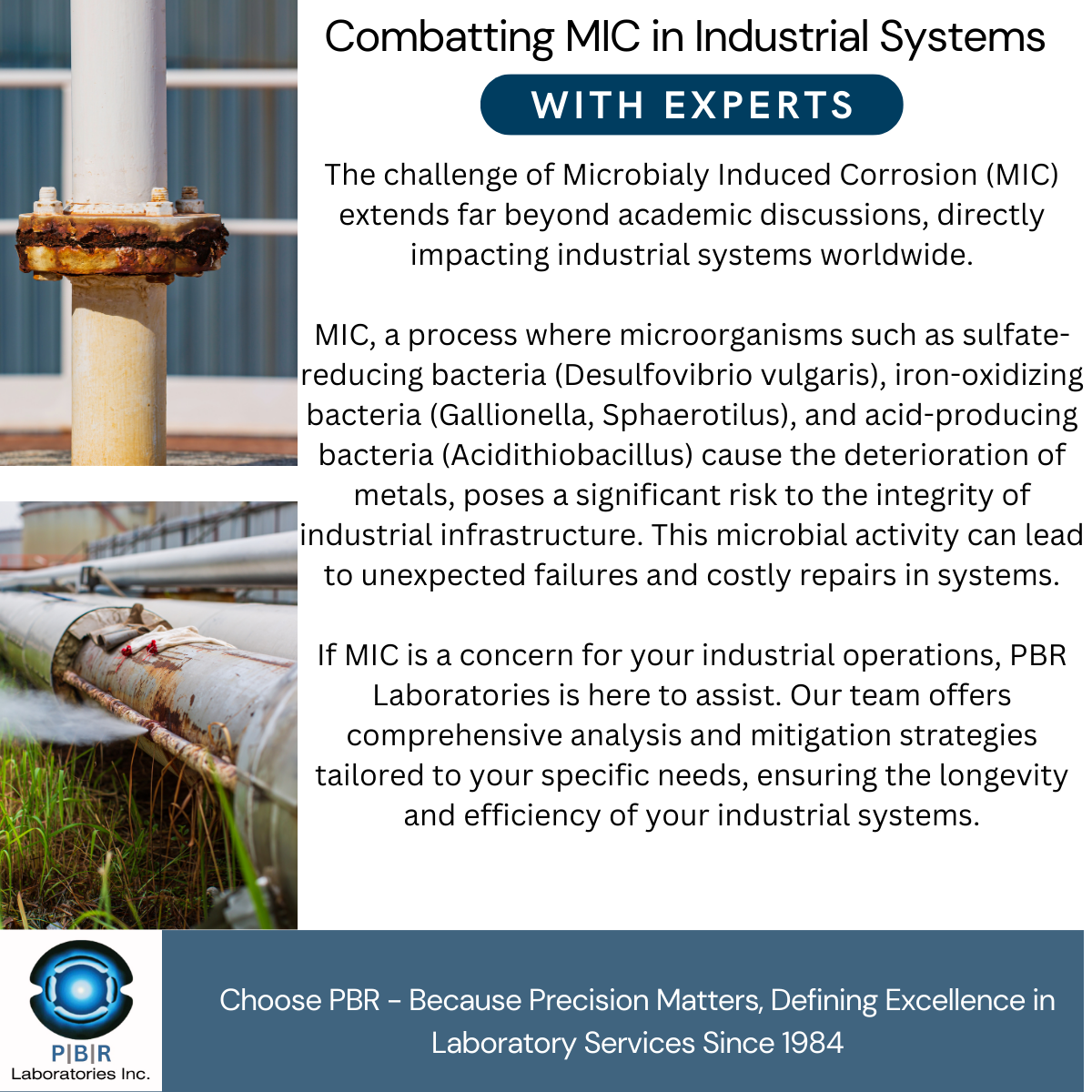
Combatting MIC in Industrial Systems
2024-09-17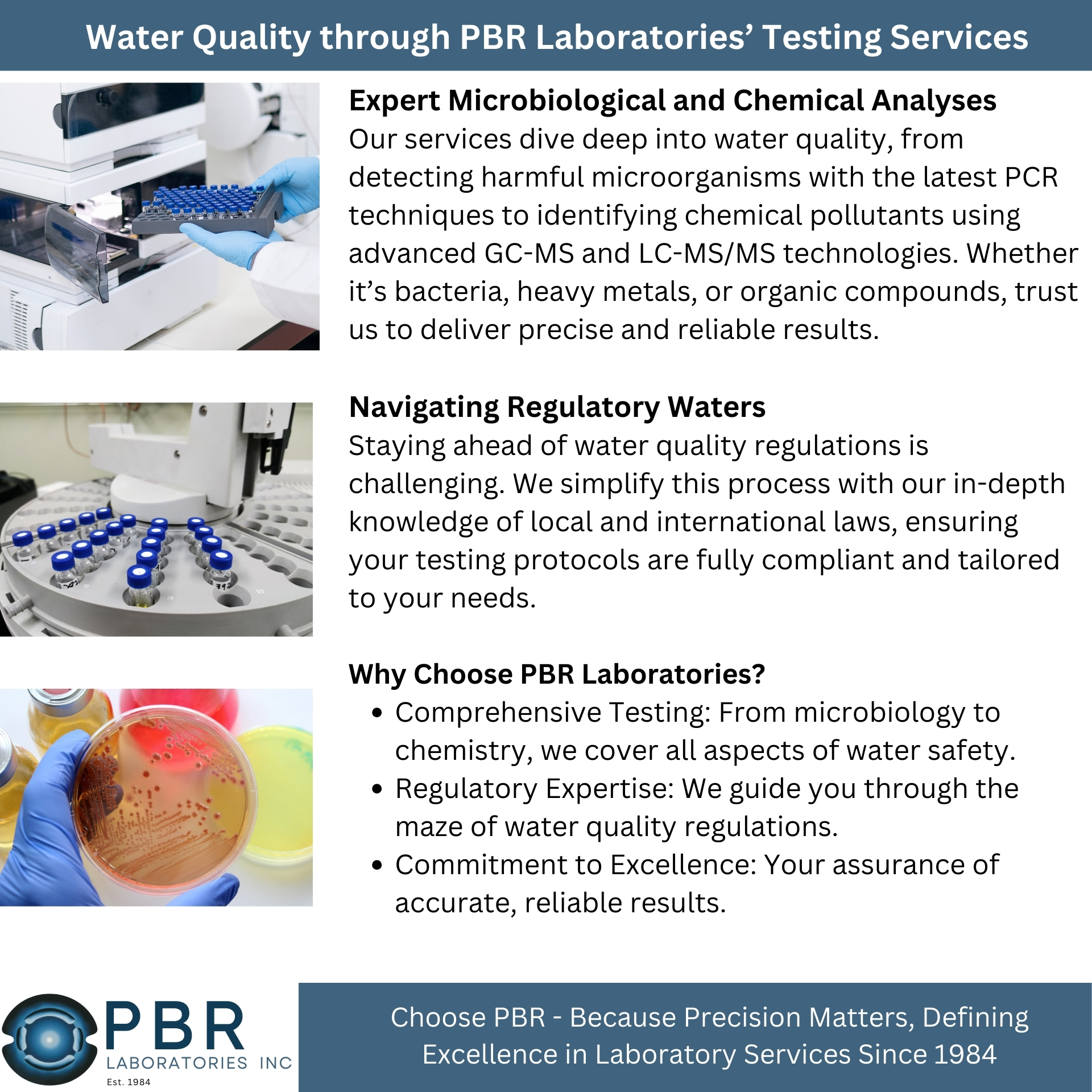
Water Quality Testing by PBR Laboratories
2024-09-17
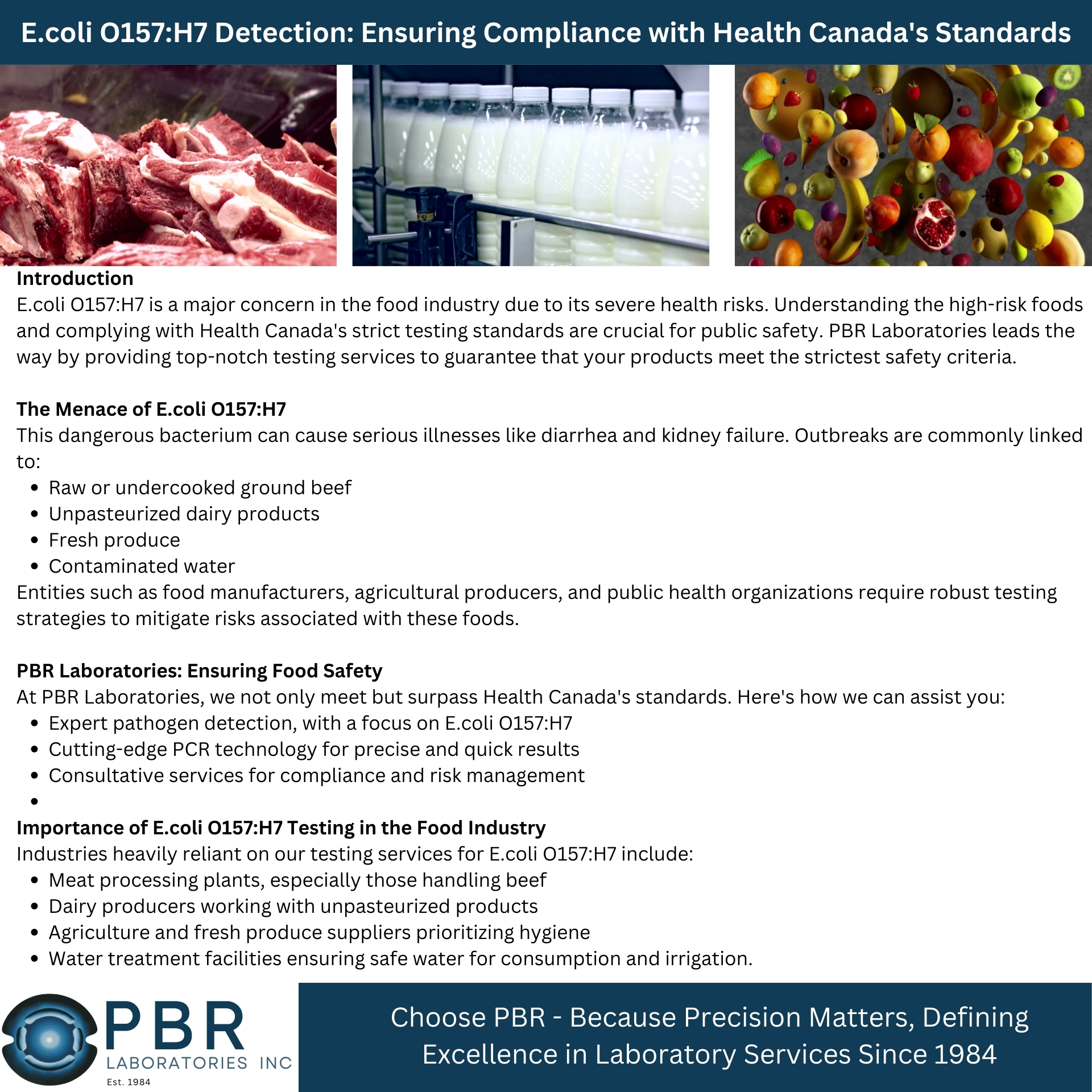
Leading Food Safety Since 1984
2024-09-17
2024-09-17